
Chumash Artist Guild
Chumash Material Culture
Mobile Exhibit
Chumash Material Culture Mobile Exhibit: Outreach Program
The Chumash Material Culture Mobile Exhibit is an immersive, educational experience designed for schools, cultural events, and festivals. This exhibit brings Chumash maritime culture and history to life through a multi-sensory environment, housed within a 12x12 tent canopy designed to resemble a traditional Chumash “Ap” hut, with tule mat walls creating an authentic and inviting space. This program is made possible through the support of the California Energy Commission and the Northern Chumash Tribal Council, whose commitment to Indigenous cultural preservation and education helps bring this exhibit to diverse communities across California. The exhibit will feature a diverse range of traditional and contemporary cultural content, including: Authentic Chumash Material Culture Items – A curated display of tools, ceremonial objects, and trade goods crafted from natural materials found across the Chumash homelands, from the high chaparrals to the coast. Items may include plant fibers, tule, yucca, pine nuts, manzanita berries, serpentine stone, sandstone, and chert, among others. Interactive & Tactile Engagement – Visitors will have the opportunity to handle select materials, gaining a hands-on understanding of Chumash craftsmanship, resource use, and environmental knowledge. Rich Media Presentations – A combination of digital and print displays showcasing Chumash history, maritime traditions, and material culture through video storytelling, infographics, and historical documentation. Live Demonstrations & Artist Talks – When available, Chumash artists and cultural practitioners will provide live demonstrations of traditional skills such as cordage from plant fiber, medicinal plant knowledge and storytelling. Trade & Commerce in Chumash Society – A focus on the historical and contemporary trade networks of the Chumash, highlighting the economic, social, and spiritual significance of material culture in both the past and present. Project Deliverables To ensure the authenticity and cultural integrity of the exhibit, the project will involve: Identification, Collection & Documentation – Locating and gathering selected material culture items according to specific seasonal harvest periods. Sustainable & Pollution-Free Sourcing – Prioritizing the collection of Native, pollution-free medicinal plants and grasses for basket-making and weaving to maintain the highest level of cultural and ecological integrity. Environmental & Access Challenges – Documenting any inability to obtain traditional materials due to climate change, habitat loss, urbanization, and wetland destruction, which continue to reduce accessible gathering sites. Handcrafted Museum-Quality Cultural Items – Designing and crafting high-quality baskets, tule mats, bowls, and tools for display, ensuring that each piece reflects the excellence of Chumash artisanship. Educational & Visual Presentation – Creating a comprehensive visual presentation on the material culture production process, including discussions on environmental issues, climate change, land loss, restricted access to gathering sites, and the role of private property in limiting cultural stewardship. This traveling exhibit not only educates but also fosters cultural continuity, showcasing how Chumash artists continue to create, trade, and share their work despite modern challenges. By engaging with this exhibit, audiences gain a deeper appreciation of Chumash heritage and the ongoing fight for cultural and environmental preservation.
This traveling exhibit not only educates but also fosters cultural continuity, showcasing how Chumash artists continue to create, trade, and share their work despite modern challenges. By engaging with this exhibit, audiences gain a deeper appreciation of Chumash heritage and the ongoing fight for cultural and environmental preservation.
The Chumash Material Culture Exhibit Tour is scheduled to begin in the Spring 2026. Production for the CMCx program commenced in late March 2025, starting with the seasonal gathering and procurement of material culture items.


The gathering of Chumash Material Culture items commenced in the spring of 2025 and will continue until late fall 2025. The CMCx gathering team has explored various locations, collecting valuable habitat and climate data, identifying plants, and harvesting spring material culture plant bundles alongside various wood items These collected items will be dried and prepared for distribution to the Chumash Artist Guild artists, who will use them for crafting unique pieces to be in the upcoming Chumash Material Culture Exhibit.
CMCx
Chumash Material Culture Exhibit
Material Culture Gathering Field Notes: Spring-Early Summer 2025
Figuroa Mountain
Environmental Observations
The landscape was typical of a high chaparral zone, alive with seasonal growth and activity. The weather was warm and dry, with clear visibility and slight breezes moving through the brush. Birdsong was consistent throughout the day, and various animal tracks were visible along the trail paths.
Fauna Noted:
-
California Quail (Covey sighted near shaded brush)
-
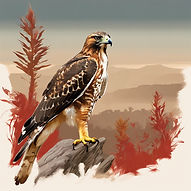
Red-tailed Hawk (Circling thermals overhead)
-
Western Gray Squirrel (Observed foraging near pine base)
Materials Gathered
-
Pine Cones, Pine Pitch & Pine nuts – Collected from California Digger Pines; cones were sun-dried and partially opened, indicating natural readiness.
-
Serpentine Stone – Found in shallow outcrops along the western ridge; noted for its smooth texture and greenish-blue hue.
Plant Identification & Seasonal Bloom
-
Chia: - ‘ilepesh (Salvia columbariae) – Flowering; seeds not yet fully matured.
-
California Poppy - ( qupe ) (Eschscholzia californica) – In full bloom across open hillsides.
-
Lupine - ( wala’laq’,qlaha ) (Lupinus spp.) – Tall stalks with vibrant purple-blue flowers.
-
Blue Dicks - ( shikh’o’n ) (Dipterostemon capitatus) – Scattered across meadows, dense in open sunlight.
-
California Digger Pine (Pinus sabiniana) – Primary tree species in area; identified by long needles and large, heavy cones.
This was a successful early-season expedition that yielded both material resources and valuable seasonal observations. The landscape offered strong indications for a return in mid-spring for further gathering of matured seeds and potential root harvests.


Lion Canyon Trail-Rose Valley
The Lion Canyon Trail in the Rose Valley region traverses a high chaparral biome, marked by a running stream, shaded riparian corridors, and culminating in a dramatic waterfall. The presence of abundant water this late in spring speaks to the resilience of the watershed and its historical importance as a seasonal refuge and gathering place. The trail lies within the traditional territory of Chumash and has long served as a route for hunting, gathering, and seasonal encampments.
Cultural Notes:
Lion Creek Trail is known among Chumash families as a traditional hunting corridor. At the end of summer, when deer shed their antlers, hunters would set up seasonal encampments along the creek. This was a time of tracking, gathering, and ceremonial preparation — a transition point between summer abundance and autumn rituals. Evidence of past encampments is sometimes visible in the form of game trails, shell fragments, and stone tool remains.
The presence of alder, ash, and willow near the stream reflects a strong riparian health — these species were critical to Chumash lifeways and continue to be honored today in contemporary material culture practices. Water was (and remains) sacred; flowing springs like these were often considered the veins of the Earth, guiding both spiritual and physical sustenance.


Sespi Wilderness
This gathering expedition took place at the Piedra Blanca Trailhead, located in the Sespe Wilderness. The ridge across the valley rises to 6,000 feet, marking the northern rim of the Sespe Creek watershed. The trail begins with a running creek and traverses a high chaparral biome, rich with ecological and cultural significance.
Tribal Cultural Landscape (TCL) Notes:
This region holds deep ancestral significance for the Chumash people. Along the banks of the Sespe Creek watershed, Chumash ancestors established summer hunting and gathering camps. The area is a vital ecological zone that supports endangered species such as the California condor, southern steelhead, and arroyo toad.
The Sespe’s canyons and ridges are cloaked in a dense, shrubby chaparral—an environment that sustains numerous traditional-use plants. These include vital materials for medicinal use, fiber harvesting, and basketry traditions. As such, this watershed remains a keystone area for traditional ecological knowledge (TEK) and cultural land-based practices.


San Rafeal Mountains
Topographical Notes / Mapping Reference: Region characterized by rolling chaparral hills, intermittent seasonal creeks, and mixed woodland drainages. Elevation ranges between 3,000–6,000 ft. Trail access limited; terrain dry but well-vegetated. Presence of riparian species (Willow, Elderberry) indicates seasonal watercourse nearby.
TEK NOTES & CONSIDERATIONS
-
Reciprocity Practices Observed: Each gathering action was accompanied by a offering and prayer. No over harvesting occurred. Only a small amount was taken from each plant to ensure regeneration.
-
Seasonal Awareness: Late spring is ideal for Elderflower and Manzanita berry collection; Willow bark is still pliable; Ceanothus sap starting to rise.
-
Interconnected Species: Ceanothus supports native pollinators; Elderberry is habitat and food for birds.
-
Cultural Relevance: This gathering supports revitalization of material culture practices (digging sticks, bowls, smudge bundles, and beadwork), while reinforcing memory of ancestral knowledge systems and ecological relationships.


Dog Bane Expedition
After a series of pool hops through a lush stream corridor filled with rushes and riverine vegetation, we discovered an expansive patch of Dog Bane nestled along the embankment—a sea of green in full bloom. The plants were in their flowering stage and not yet ready for harvest, but we were able to gather several stalks from the previous season’s growth. These dried stalks, left standing from last fall, are still useful and ideal for fiber processing.
Dog Bane remains an important material culture resource and trade item among Chumash people today. Its strong inner fibers are traditionally used for making cordage, nets, and other tools. We look forward to returning in the fall to responsibly harvest fresh bundles for our Chumash community's continued cultural practices and intertribal exchange.


